Mastering Your Latte: Best Milk for Frothing Explained
Brewing a perfect latte, cappuccino, or macchiato often comes down to one crucial element: perfectly frothed milk. But with so many options available today – from traditional dairy to a vast array of plant-based alternatives – how do you choose the best milk for frothing? This guide delves into the science and art of milk frothing, helping you achieve café-quality microfoam every time. Discover which milks excel and why.
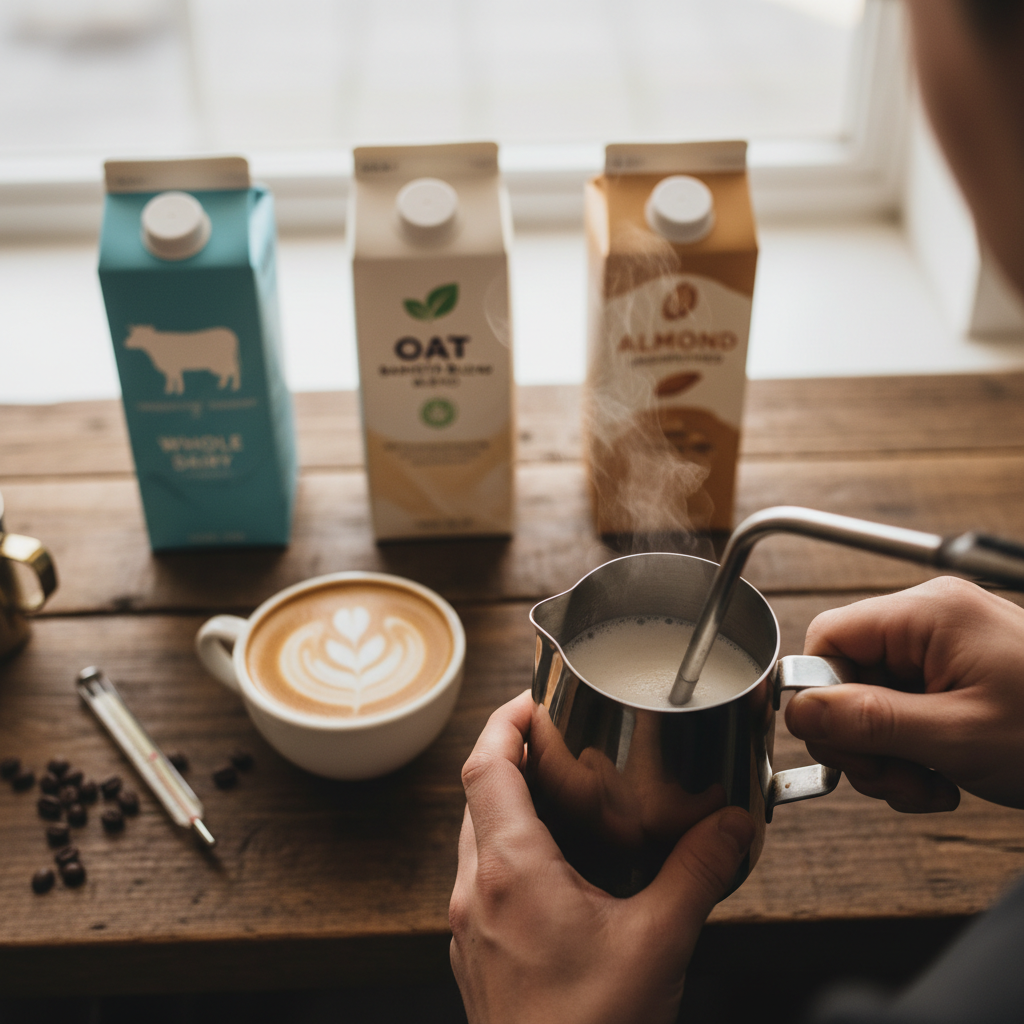
The Science of Superb Milk Foam
Creating a velvety, stable microfoam isn't magic; it's a delightful dance between protein, fat, and air. When you steam or froth milk, you're essentially introducing air bubbles into the liquid. Proteins in the milk then denature and form a thin, elastic film around these air bubbles, stabilizing them and creating that smooth, creamy texture we all crave. Fats contribute to the richness and mouthfeel, as well as the stability of the foam, though too much fat can sometimes weigh it down.
Temperature is another critical factor. Heating milk to around 140-155°F (60-68°C) is ideal. This temperature range helps denature proteins effectively without scorching the milk, which can introduce off-flavors and break down the foam structure.
Dairy Delights: Whole Milk Reigns Supreme
For decades, whole milk has been the gold standard for frothing, and for good reason. Its balanced composition of fat and protein makes it exceptionally well-suited for producing rich, stable microfoam.
- Whole Milk: The classic choice. With roughly 3.5% fat and essential proteins, whole milk creates a luxurious, thick foam that holds its shape beautifully and integrates seamlessly with espresso, offering a sweet, creamy flavor. It's forgiving and easy to work with for beginners.
- 2% Milk (Reduced Fat): A good alternative if you're looking for less fat. It still has enough protein to foam well, though the foam might be slightly lighter and less stable than whole milk. It’s a popular compromise for many coffee drinkers.
- Skim Milk (Non-fat): While skim milk can produce a large volume of foam due to its high protein-to-fat ratio, this foam tends to be airy, brittle, and dissipates quickly. It lacks the creamy texture and rich mouthfeel that defines excellent microfoam.
The Rise of Plant-Based Powerhouses
With increasing popularity, plant-based milks have come a long way in their frothing capabilities. Many brands now offer "barista blends" specifically formulated to mimic dairy milk's performance.
Oat Milk: The New Contender
Oat milk has quickly become a favorite among baristas and coffee enthusiasts. Its naturally sweet flavor and creamy texture make it an excellent choice for coffee. Barista-style oat milks often contain added fats and stabilizers (like rapeseed oil or gellan gum) to enhance frothing performance, creating a dense, silky microfoam that's comparable to whole milk. It integrates incredibly well with espresso, making it ideal for latte art.
Almond Milk: A Fickle Friend
Almond milk can be a bit more challenging. Standard almond milk is often thin and low in protein and fat, leading to bubbly, quickly dissipating foam. However, barista-blend almond milks are formulated with emulsifiers and higher protein content to improve frothing. While they can produce decent foam, it's often not as stable or creamy as oat or dairy milk. Texturally, it can sometimes be a bit drier.
BrewCraft Tip: Always check the ingredient list on plant-based milks. Look for "barista blend" or ingredients like gellan gum, sunflower lecithin, or higher fat content, which indicate better frothing potential.
Other Plant-Based Options
- Soy Milk: One of the original dairy alternatives for coffee, soy milk has a good protein content that allows it to froth well, producing a relatively stable foam. Its flavor can be distinctive and sometimes curdle if heated too quickly or combined with very acidic coffee.
- Cashew Milk: Similar to almond milk, plain cashew milk often struggles to produce stable foam. Barista blends may perform better but are less common. Flavor-wise, it's generally quite mild.
- Coconut Milk: While creamy in flavor, coconut milk (especially from a carton) typically yields very large, unstable bubbles. Its high-fat content can hinder fine foam formation, and its distinct coconut flavor can overpower delicate coffee notes. Pea Milk (e.g., Ripple): A newer contender, some pea milk brands offer barista blends that froth surprisingly well, thanks to their high protein content. They tend to be neutral in flavor.
Frothing Techniques Beyond the Milk
Even with the best milk, your technique plays a pivotal role. Whether you're using a steam wand, an automatic frother, or a manual French press, remember these principles:
- Start Cold: Cold milk allows more time to incorporate air before it gets too hot.
- Introduce Air: For steam wands, position the tip just below the surface to create a "hissing" sound, incorporating air.
- Create a Swirl (Texturize): Once enough air is introduced, submerge the wand deeper to create a vortex, integrating the air and heating the milk evenly.
- Polish and Serve: Tap the pitcher on the counter to eliminate large bubbles, then swirl the milk to give it a glossy, uniform texture before pouring.
Conclusion: Your Ultimate Frothing Companion
Choosing the best milk for frothing ultimately comes down to a blend of taste preference, dietary needs, and desired foam quality. For consistently rich, stable microfoam, whole dairy milk and barista-blend oat milk are unparalleled leaders. They offer the perfect balance of protein and fat to encapsulate air, create velvety texture, and beautifully complement your coffee. Experiment with different options and techniques to find your personal favorite, elevating your home coffee experience from good to extraordinary. Happy frothing!