Coffee Roast Levels Explained: Light, Medium, Dark (and What They Actually Taste Like)
A clear guide to roast levels — what changes inside the bean, how each level tastes, which brew methods suit each, and how to read roaster labels.
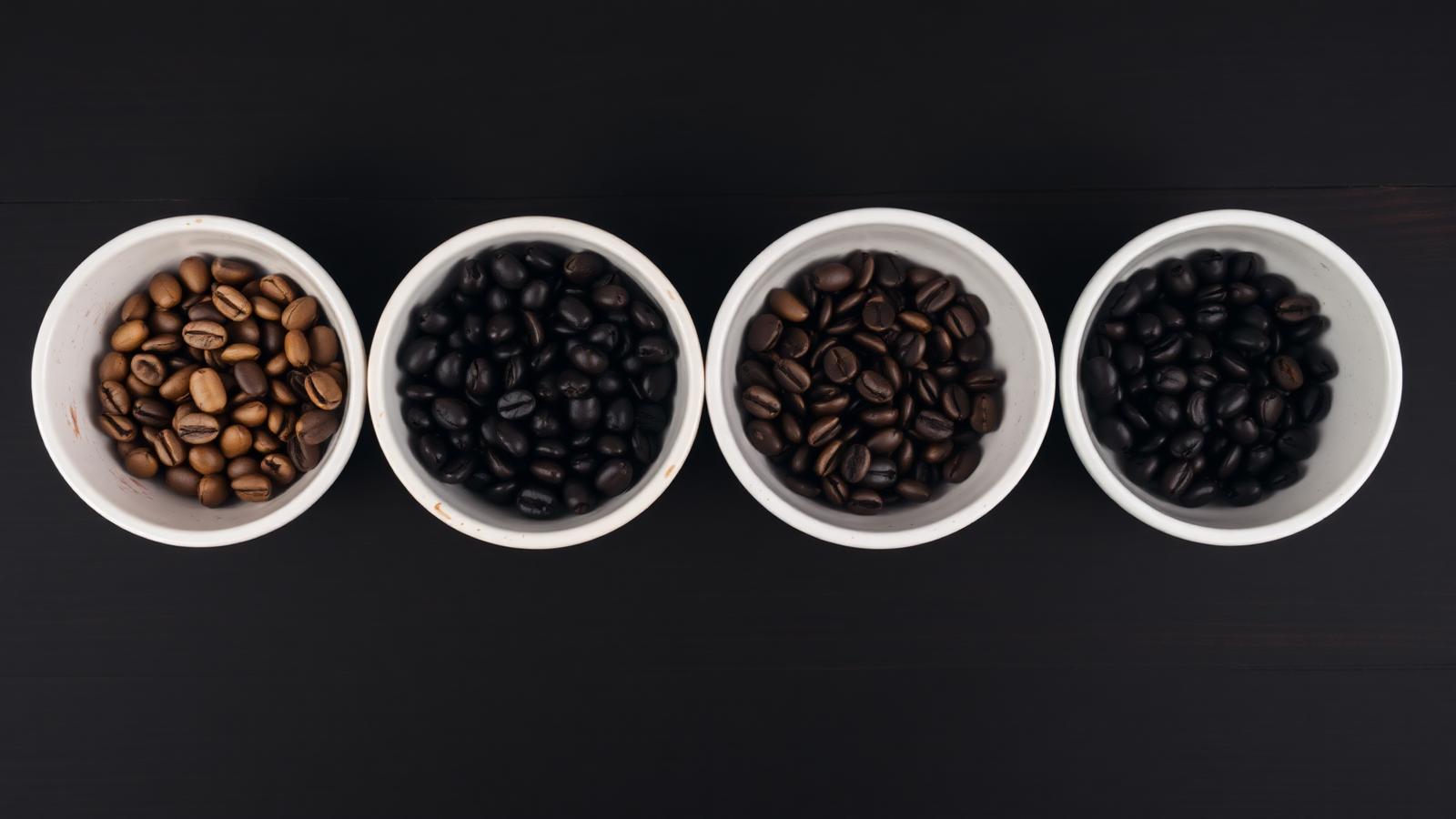
Roast level is the most visible detail on a bag of coffee, but it is also one of the most misunderstood. “Dark” does not always mean strong, “light” does not mean weak, and the roast chart printed on most bags only tells part of the story.
What Roasting Does
Green coffee beans are dense, grassy, and almost flavorless. When they are heated, chemical reactions like Maillard browning**, caramelization, and pyrolysis begin. Together, these reactions create the hundreds of flavor compounds we recognize as coffee.
Roasters follow two important audible milestones to guide the process:
- First Crack: Around 196°C / 385°F, the beans begin to pop like popcorn as moisture escapes. This usually marks the end of light roast and the beginning of medium roast territory.
- Second Crack: Around 224°C / 435°F, the beans make a quieter crackling sound as cell walls break down and oils move to the surface. This marks the beginning of dark roast territory.
Light Roasts
Light roasts stop shortly after first crack**. The beans are dry, light brown, and have no surface oil.
Flavor Profile
These roasts are often bright, acidic, and complex. The origin character is preserved, so you may taste fruit, floral, or even savory notes. A great Ethiopian light roast, for example, can taste like blueberries.
Best Brewing Methods
Light roasts shine with pour-over, AeroPress, and drip coffee, as these methods highlight clarity and delicate flavors. While light roasts can have slightly more caffeine by weight, the difference is small.
Medium Roasts
Medium roasts stop well after first crack but before second crack**. The beans are a warm brown color and usually have no oil on the surface.
Flavor Profile
Expect a balanced and smooth cup. The bean's origin character is still present, but the taste becomes rounder. Chocolate, nuts, and caramel notes often come forward while acidity becomes softer.
Best Brewing Methods
This is the most versatile roast level. Medium roasts work well for almost everything, including drip coffee, pour-over, French press, and espresso.
Dark Roasts
Dark roasts reach second crack or go beyond it. The beans are deep brown to nearly black and often have visible oil on their surface.
Flavor Profile
These coffees are typically bittersweet, smoky, and heavy-bodied, with low acidity. Much of the bean's unique origin character is roasted away, which is why dark roasts from different regions can taste very similar.
Best Brewing Methods
Dark roasts are excellent for traditional espresso, French press, and milk-based drinks. The bold flavor stands up well to milk and sugar.
What Roast Level Doesn't Tell You
The roast level on a bag doesn't tell the whole story. It doesn't automatically dictate strength, which depends more on the brew ratio**—how much coffee you use compared with how much water.
Here are a few other common misconceptions:
- Caffeine: Roast level does not significantly change the caffeine content in the final cup.
- Bitterness: Bitterness is more about brewing technique than roast level. An over-extracted light roast can taste more bitter than a well-brewed dark roast.
How to Read a Coffee Bag
Specialty coffee roasters provide more useful information than just “light,” “medium,” or “dark.” Look for details such as:
- Specific origin: single farm, region, or country
- Process: washed, natural, or honey
- Varietal: Bourbon, Heirloom, SL28
- Flavor description: often the most helpful part when choosing a coffee
Be aware that terms like “Italian roast” or “French roast” are usually marketing labels rather than precise roast specifications.
How to Store Roasted Coffee
To preserve flavor, buy whole-bean coffee whenever possible and store it in an airtight container away from heat, light, and moisture. For the best taste, use coffee within four weeks of the roast date**.
Avoid refrigerating coffee. The refrigerator can damage flavor because of moisture and odor exposure.
While not ideal, you can extend the life of your beans by freezing them in single-dose, vacuum-sealed bags for up to six months.
Where to Start
Not sure which roast to try? Here are a few simple recommendations:
- If you are new to specialty coffee: Start with a medium roast from a reputable roaster. It is the most forgiving entry point to what good coffee can taste like.
- If you are a confident pour-over brewer: Try a light roast single-origin coffee. This is where you will find some of the most unique and interesting flavors.
- If you mostly make milk drinks: Choose a medium-dark espresso blend designed for milk. It will provide the most balanced and satisfying result.