Mastering Cold Brew Concentrate: Recipes, Ratios & Shelf Life
Dive into the world of cold brew concentrate and unlock the secrets to perfectly smooth, low-acid coffee every time. Discover optimal brewing ratios, explore versatile recipes, and learn how to maximize the shelf life of your homemade batches. Say goodbye to store-bought and hello to superior cold brew.
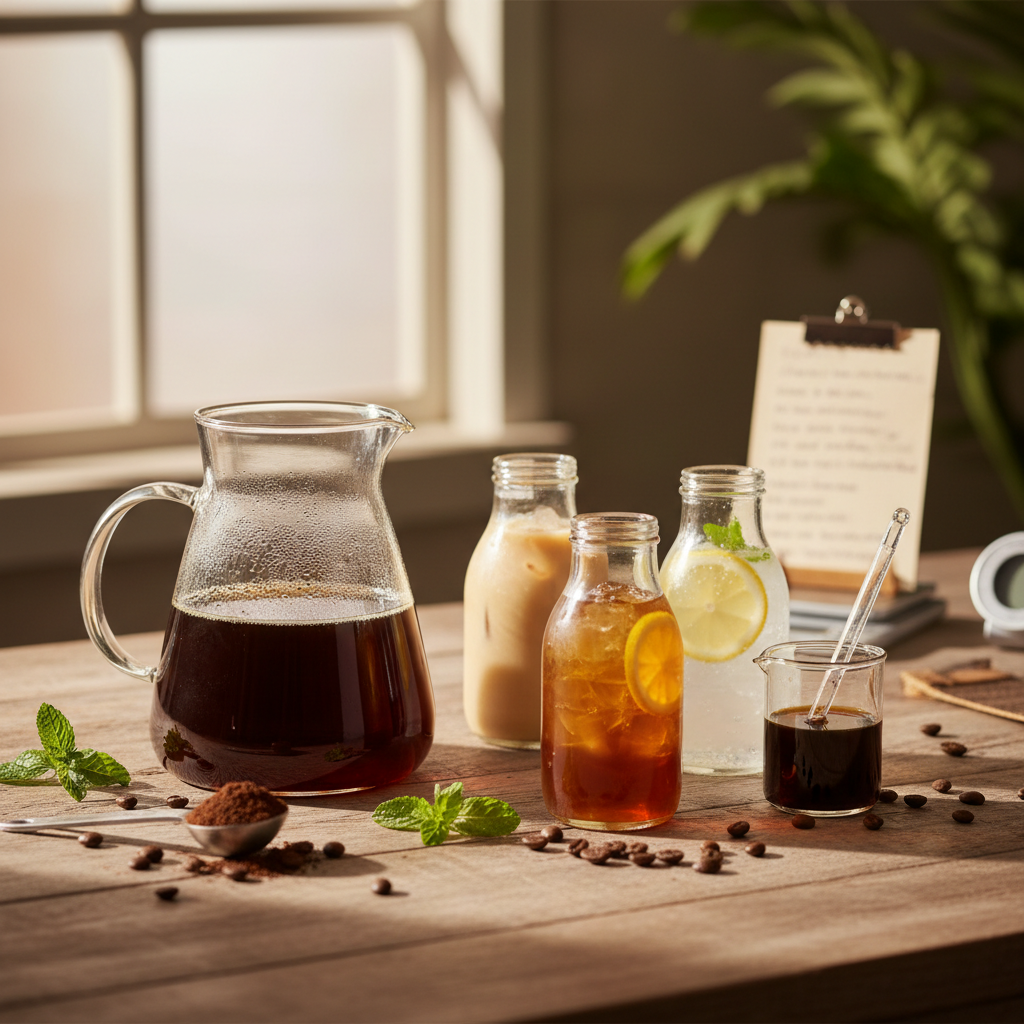
Cold brew concentrate has emerged as a cornerstone of modern coffee culture, offering a versatile foundation for a myriad of refreshing beverages. Unlike traditional hot brewing methods, cold brew employs time rather than heat to extract flavor, resulting in a remarkably smooth, low-acid, and naturally sweet coffee experience. Understanding how to create, dilute, and store this concentrated elixir is key to unlocking its full potential.
Why Opt for Cold Brew Concentrate?
The appeal of cold brew concentrate lies in its convenience and distinct flavor profile. The cold brewing process minimizes the extraction of bitter compounds and acids, yielding a coffee that's often described as chocolatey, nutty, and inherently less sharp than its hot-brewed counterparts. This mildness makes it highly palatable, especially for those with sensitive stomachs who find hot coffee too acidic.
Furthermore, its concentrated nature means a small batch can go a long way. You brew it once, and then have a ready-to-use base that can be quickly transformed into iced lattes, refreshing black cold brews, or even integrated into cocktails and desserts. The set it and forget it aspect, requiring minimal active preparation time, is a huge draw for busy individuals.
Essential Equipment and Ingredients
Making cold brew concentrate at home is surprisingly straightforward, requiring only a few basic items. The quality of your ingredients, however, will significantly impact the final product.
- Coarse-Ground Coffee: This is non-negotiable. Fine grounds will lead to over-extraction and a sludgy mess. Opt for a coarser grind, similar to sea salt or breadcrumbs. While any roast can work, medium to dark roasts often shine in cold brew, offering deeper, richer flavors without the bitterness.
- Filtered Water: Tap water often contains impurities that can negatively affect flavor. Filtered water ensures a clean, pure taste for your coffee.
- Large Container: A Mason jar, French press, or any sealable pitcher will work. Ensure it's large enough to accommodate your coffee and water.
- Strainer or Fine-Mesh Sieve: For the initial separation of grounds.
- Cheesecloth or Nut Milk Bag: For a second, finer filtration to remove any lingering sediment.
The Golden Ratio: Coffee to Water Explained
The ratio of coffee to water is the most critical factor in determining your concentrate's strength and flavor. While there's no single correct ratio, a common starting point for concentrate is 1:4 to 1:8 coffee to water by weight. Let's break it down:
- 1:4 (Coffee:Water): This is for a very strong, potent concentrate, ideal if you plan to significantly dilute it with milk, water, or other mixers.
- Example: 200g coffee to 800ml water
- 1:6 (Coffee:Water): A popular and versatile ratio that provides a robust concentrate without being overwhelmingly strong.
- Example: 200g coffee to 1200ml water
- 1:8 (Coffee:Water): Produces a slightly less intense concentrate, which can still be diluted but might require less mixing.
- Example: 200g coffee to 1600ml water
Experimentation is key! Start with 1:6 and adjust up or down in subsequent batches based on your preference.
"For the smoothest cold brew, always use fresh, coarse-ground coffee. Finer grinds lead to over-extraction and a muddy texture, undermining the very essence of cold brewing."
Brewing Your Concentrate: Step-by-Step
- Measure Coffee and Water: Weigh your coarse-ground coffee and filtered water according to your chosen ratio.
- Combine: Place the coffee grounds into your brewing container. Slowly pour the water over the grounds, ensuring all are thoroughly saturated. Stir gently to ensure even saturation and prevent dry spots.
- Steep: Cover your container and let it steep at room temperature or in the refrigerator for 12-24 hours. The longer the steep, the stronger the concentrate. For your first batch, aim for 16-18 hours.
- Strain First Pass: After steeping, place a fine-mesh sieve over a bowl or another container. Slowly pour the coffee mixture through the sieve to separate the bulk of the grounds from the liquid.
- Second Filtration: Line your sieve with cheesecloth (several layers) or use a nut milk bag. Slowly pour the liquid from the first pass through this finer filter. This step is crucial for removing fine sediment and achieving a clean, smooth concentrate.
- Store: Transfer your finished cold brew concentrate to an airtight container and refrigerate.
Dilution and Serving Suggestions
Your cold brew concentrate is potent and meant to be diluted. A common starting dilution ratio is 1:1 concentrate to water or milk, but this is highly adaptable.
- Classic Iced Coffee: Mix 1 part concentrate with 1 part cold water over ice. Adjust to taste.
- Creamy Cold Brew Latte: Combine 1 part concentrate with 1-2 parts milk (dairy or non-dairy) over ice. Add a touch of sweetener if desired.
- Affogato Twist: Drizzle a small amount of concentrate over a scoop of vanilla ice cream.
- Cold Brew Shakes: Blend concentrate with ice cream, milk, and your favorite flavorings.
Maximizing Cold Brew Concentrate Shelf Life
The beauty of cold brew concentrate is its extended shelf life compared to hot-brewed coffee. Stored correctly, it can last for quite some time:
- Refrigeration is Key: Always store your concentrate in an airtight container in the refrigerator. This slows down the oxidation process that can degrade flavor.
- Glass Containers: Glass jars or bottles are ideal as they don't impart flavors and are easy to clean.
- Duration: Properly stored cold brew concentrate will typically remain fresh and flavorful for
7-14 days. While it might still be safe to consume beyond this, you'll notice a gradual decline in taste quality as oxidative processes take their toll. - Freezing: For even longer storage, you can freeze cold brew concentrate in ice cube trays. Once frozen, transfer the cubes to a freezer-safe bag. This can extend its usability for up to
1 month, though taste can slightly diminish.
With these guidelines, you're well-equipped to brew delicious, versatile cold brew concentrate at home, saving money and enjoying superior flavor. Experiment with different beans, ratios, and dilution methods to find your perfect daily brew. Happy brewing!