Espresso Machine Buying Guide: Under $1000 Picks
Dreaming of barista-quality espresso at home without breaking the bank? Our comprehensive buying guide reveals the best espresso machines available for under $1000. Learn exactly what features matter most, from pump pressure to steam wand types, to help you make an informed decision and upgrade your morning routine. Discover your perfect budget-friendly brewer today!
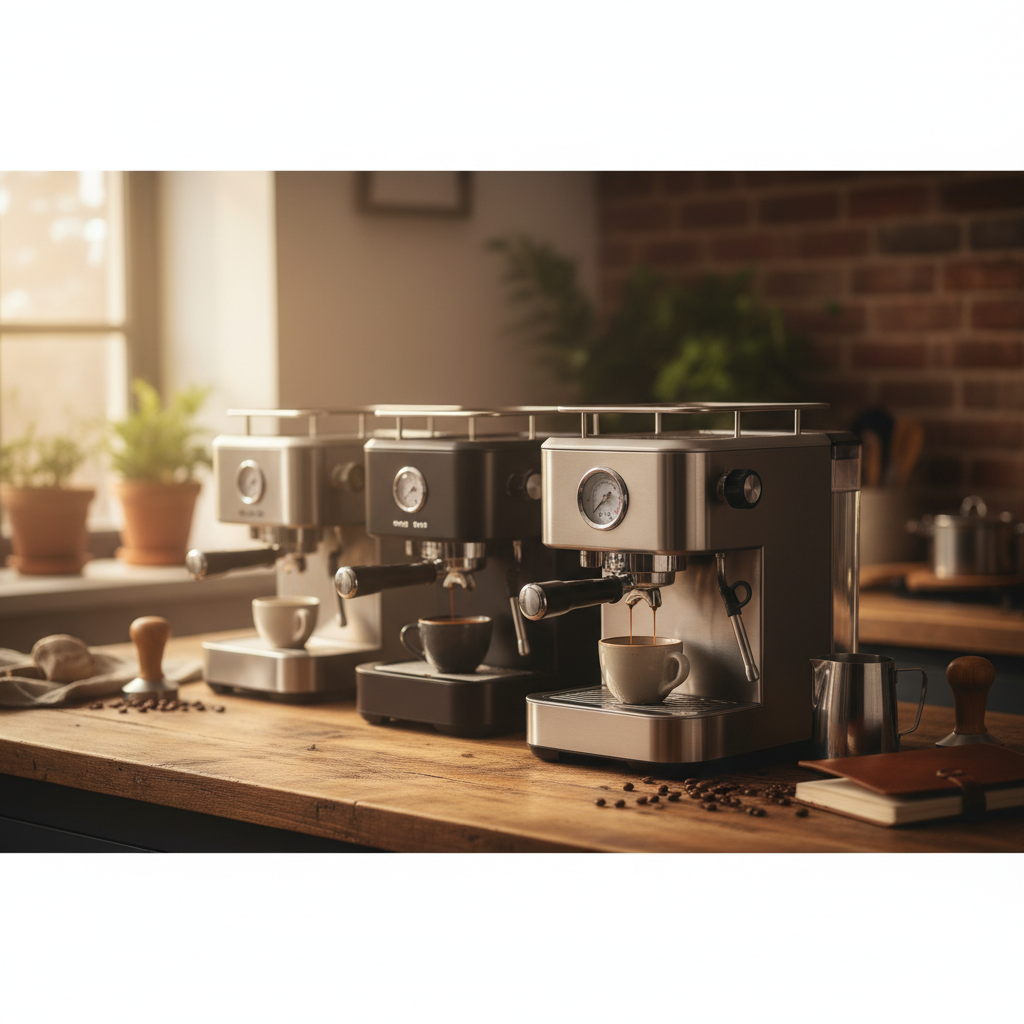
For many coffee enthusiasts, the thought of owning an espresso machine conjures images of expensive, professional-grade equipment. While high-end machines certainly exist, the good news is that you don't need to spend thousands to enjoy excellent espresso at home. The market for espresso machines under $1000 has exploded with fantastic options, offering a surprising balance of features, performance, and durability. This guide will walk you through the essential considerations and key features to look for when shopping for a budget-friendly espresso machine, ensuring you get the best value for your hard-earned money.
Setting Your Budget and Expectations
While we're focusing on machines under $1000, it's helpful to further refine your budget within this range. Are you looking to spend closer to $300, $600, or pushing the upper limit? Generally, as you move up in price, you'll gain access to better build quality, more consistent temperature control, and enhanced features like PID controllers or more robust steaming capabilities. Recognize that at this price point, you might not get every single bells and whistle of a $3000 machine, but you can certainly achieve delicious results. Set realistic expectations about the level of automation and customization you desire.
Semi-Automatic vs. Automatic Machines
Within the sub-$1000 category, you'll mainly encounter two types:
- Semi-Automatic: These machines offer the most control. You tamp the portafilter, start and stop the shot manually, and often operate the steam wand yourself. This provides a hands-on, rewarding experience and allows for more experimentation and refinement of your technique.
- Automatic (or Super-Automatic): While less common under $1000, some entry-level automatic machines exist. These are designed for convenience, grinding beans, tamping, and brewing with the touch of a button. They often include integrated grinders and milk frothing systems. The trade-off is usually less control over the brewing process and typically higher maintenance demands. For under $1000, semi-automatics generally offer better espresso quality.
Essential Features to Prioritize
When evaluating machines, pay close attention to these core components:
- Pump Pressure (Bar): Most home espresso machines operate at 9-15 bars of pressure. While 15 bars is often advertised, the ideal brewing pressure is closer to 9 bars. Don't get overly hung up on anything above 9; consistent pressure is more important than raw bar numbers.
- Boiler Type:
- Thermoblock/Thermoblock: Heats water on demand. Faster heat-up times and energy efficient, but can have less temperature stability than boilers. Common in entry-level machines.
- Single Boiler (SB): A single boiler handles both brewing and steaming. You'll need to wait for the boiler to heat up or cool down between tasks. Good for occasional lattes but can be slower.
- Heat Exchanger (HX): Found in higher-end machines in this range. Allows you to brew and steam simultaneously with better temperature stability.
- Portafilter Size: Aim for a commercial-standard 58mm portafilter if possible, as it's easier to find accessories and can offer better extraction. However, many quality machines in this price range use 54mm or 53mm, which is perfectly acceptable.
- Steam Wand: A good steam wand is crucial for crafting lattes and cappuccinos. Look for a machine with a powerful, articulating, and ideally, a manual steam wand**. Panarello wands (with a plastic sleeve) are easier to use for beginners but produce less control and typically poorer microfoam.
BrewCraft Pro Tip:
Don't forget to factor in the cost of a good burr grinder! For truly excellent espresso, consistency is key, and a cheap blade grinder won't cut it. A quality grinder is as important as, if not more important than, the espresso machine itself.
Understanding Temperature Stability
Consistent temperature is paramount for a great espresso shot. Fluctuations can lead to under- or over-extraction, resulting in sour or bitter coffee. While PID controllers (Proportional-Integral-Derivative) are rare in the sub-$400 range, some machines approaching $1000 might feature them. A PID controller electronically maintains a precise brewing temperature, significantly improving shot quality. If your budget allows, prioritize this feature.
Durability and Build Quality
An espresso machine is an investment, even at this price point. Look for machines with:
- Metal casing over plastic (especially for external components).
- Brass or stainless steel components where water flows.
- Reputable brands known for customer support and available spare parts.
Reading user reviews specifically on longevity and common issues can provide valuable insight here.
Conclusion: Your Perfect Espresso Awaits
Finding a capable espresso machine under $1000 is entirely achievable. By understanding the core differences between machine types, prioritizing essential features like boiler design and steam wand quality, and remembering the crucial role of a good grinder, you can confidently navigate the options. Don't be afraid to start with a semi-automatic machine; the learning curve is part of the fun, and the ability to pull a perfectly dialed-in shot is incredibly satisfying. With a bit of research and patience, you'll be enjoying delicious, café-quality espresso from the comfort of your home in no time. Happy brewing!