How Coffee Is Grown and Harvested: From Cherry to Bean
A complete look at how coffee travels from a flowering tree in the tropics to the bag in your kitchen — origins, varieties, picking, and processing methods that shape flavor.
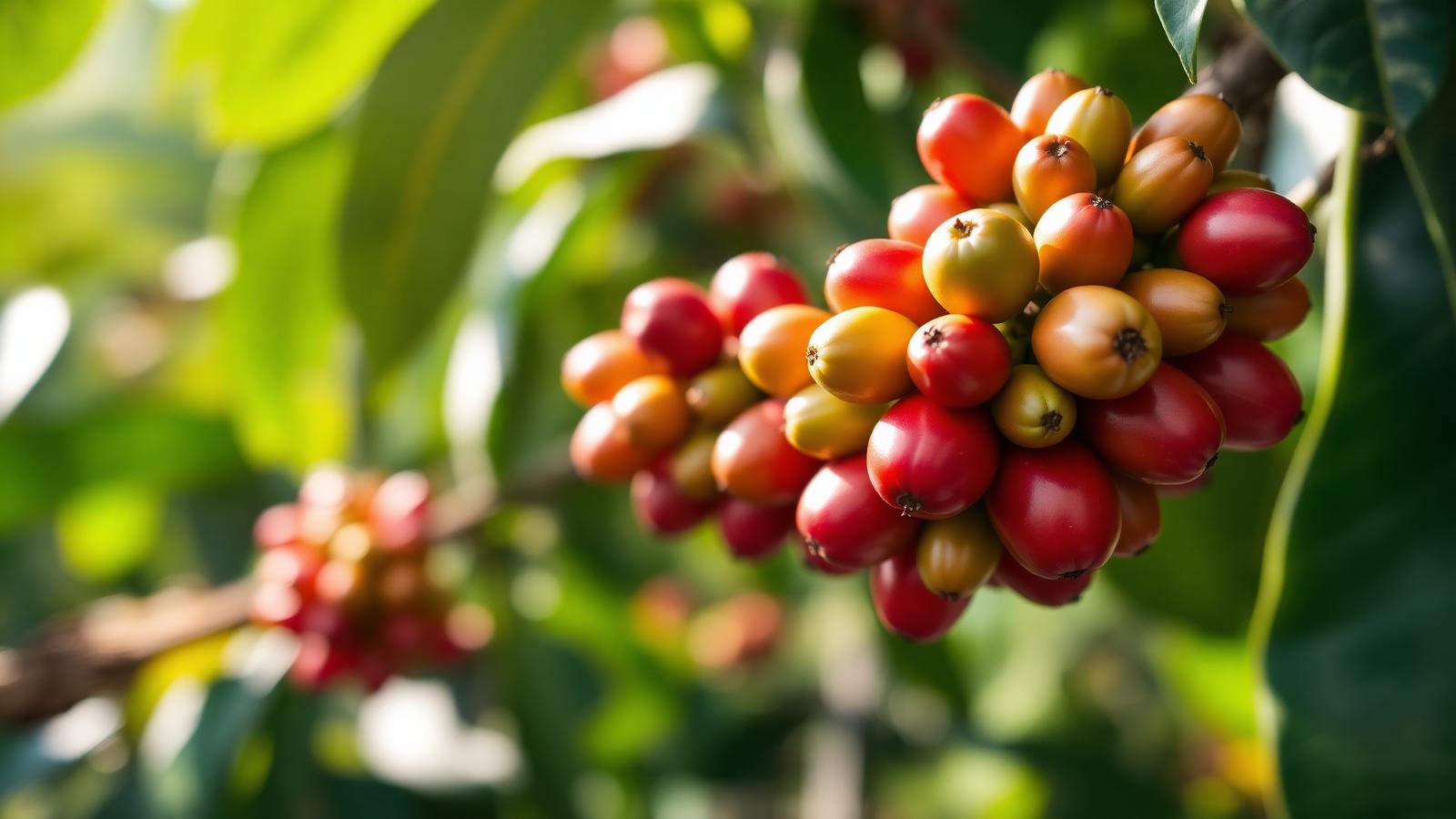
Most coffee drinkers have never seen a coffee tree. Yet what happens during the year between flowering and harvest is the single biggest determinant of how your morning cup tastes. Understanding the journey turns drinking coffee into a much richer experience.
Where coffee grows
Coffee thrives in a narrow tropical band between the Tropics of Cancer and Capricorn — commonly called the "Bean Belt." High-altitude regions in countries like Ethiopia, Colombia, Guatemala, Kenya, Brazil, and Indonesia provide the cool nights, rich volcanic soils, and consistent rainfall that Coffea arabica needs. Robusta, the hardier and more caffeinated species, tolerates lower altitudes and warmer climates, which is why it dominates Vietnamese and West African production.
The two species you actually drink
- Arabica (~60% of global production): more aromatic, lower caffeine, sweeter, more nuanced acidity. The majority of specialty coffee.
- Robusta (~40%): heavier body, harsher bitterness, roughly twice the caffeine. Common in espresso blends and instant coffee.
Within Arabica, you'll see varietals named on bags — Bourbon, Typica, Geisha, SL28, Pacamara. Each has its own flavor signature, much like wine grape varieties.
From flower to cherry
Coffee trees flower for just a few days each year, producing fragrant white blossoms that resemble jasmine. Over the next 6 to 11 months those flowers develop into "cherries" — small fruits that ripen from green to yellow to deep red. Each cherry contains two seeds, which we know as coffee beans.
How coffee is picked
There are two main methods:
- Selective hand-picking — workers walk the rows multiple times each season, picking only ripe red cherries. This is labor-intensive and expensive but produces the most consistent quality. Most specialty coffee is hand-picked.
- Strip picking and mechanical harvesting — all cherries are stripped from the branch (or shaken off by machine) regardless of ripeness, then sorted later. Faster and cheaper, but lower average quality.
Processing: where flavor is made or lost
Once picked, cherries must be processed within hours or fermentation runs wild. The processing method has an enormous impact on the final flavor.
- Washed (wet) process**: the fruit is removed before drying. Produces clean, bright, acidic cups.
- Natural (dry) process**: cherries are dried whole on raised beds. The fruit imparts intense berry and wine-like flavors.
- Honey process**: a middle path — some fruit is left clinging to the bean during drying, producing balanced sweetness.
After processing, beans are dried to about 11% moisture, then rested, sorted, graded, and packed into 60-kg jute bags for export as "green coffee."
Roasting and the cup
Green coffee has almost no aroma. Only roasting unlocks the hundreds of volatile compounds we recognize as "coffee." A skilled roaster's job is to highlight the character the farmer worked all year to produce.
That's the chain you should picture every time you grind a fresh batch: years of agriculture, a few critical days of processing, and a roaster's intuition — all converging in your cup.