Mastering the Art: Brew Better Drip Coffee at Home
Elevate your morning ritual! Discover the secrets to consistently brewing delicious drip coffee right in your kitchen. From bean selection to water temperature, we'll guide you through the essential steps to unlock the full potential of your favorite brew, transforming your daily cup from good to extraordinary.
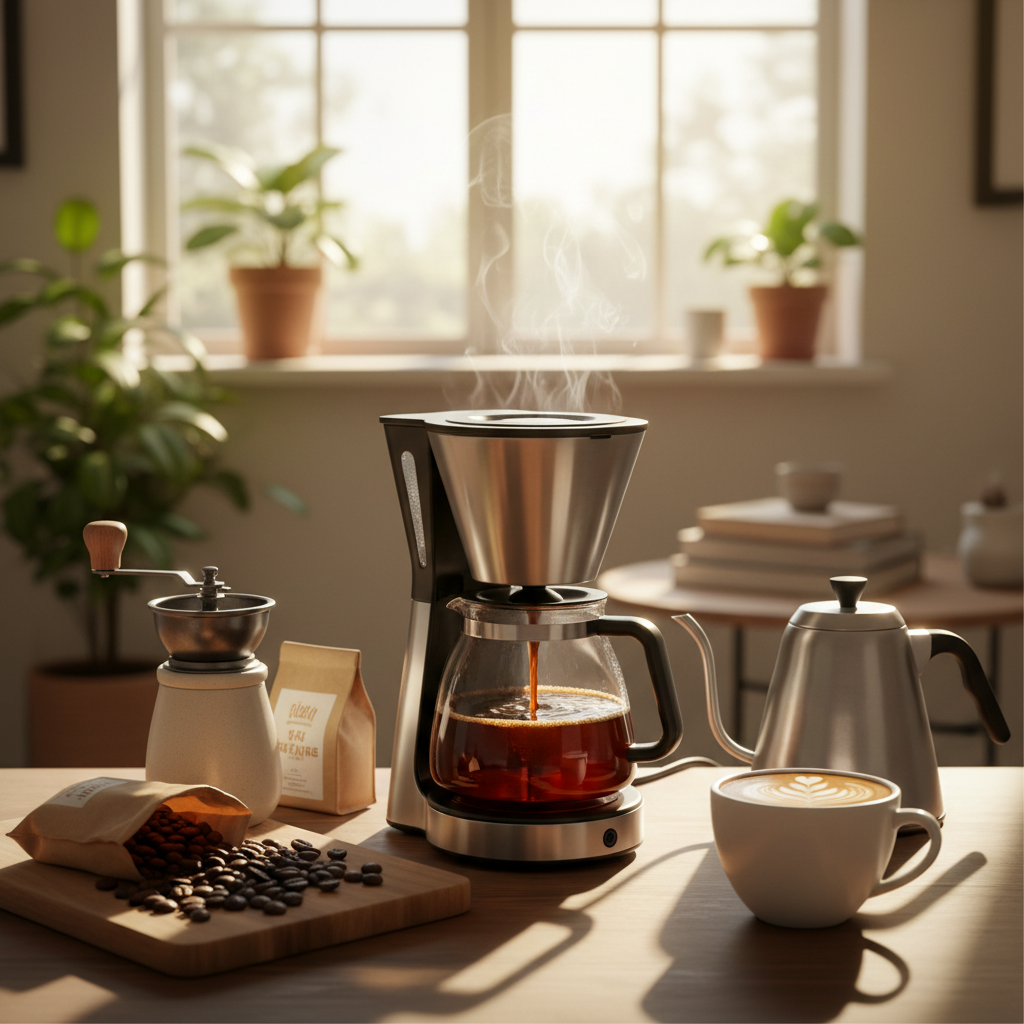
Drip coffee is often the unsung hero of the morning routine, a reliable workhorse that delivers comforting caffeine with minimal fuss. But 'minimal fuss' doesn't have to mean 'minimal flavor.' With a few simple adjustments and a deeper understanding of the brewing process, you can transform your everyday drip coffee into a truly exceptional experience. This guide will walk you through the fundamentals, helping you brew better drip coffee at home every single time.
The Foundation: Quality Coffee Beans
It might seem obvious, but great coffee starts with great beans. Investing in high-quality, freshly roasted beans is the single most impactful change you can make. Look for whole beans with a roast date, ideally within two weeks of purchase. Avoid pre-ground coffee if possible, as it stales rapidly once exposed to air. When buying beans:
- Check the roast date: Fresher is always better.
- Opt for whole bean: Grind just before brewing for maximum flavor.
- Consider single origin vs. blends: Experiment to find your preference.
- Store properly: Keep in an airtight container, away from light and heat.
Grinding for Perfection
Grinding your beans just before brewing is crucial. The grind size directly affects the extraction rate. Too fine, and your coffee will be over-extracted and bitter; too coarse, and it will be under-extracted and weak. For drip coffee, a medium grind is generally ideal, resembling coarse salt or sand. A burr grinder (either conical or flat burr) is highly recommended over a blade grinder, which chops unevenly and produces inconsistent grounds.
"A consistent grind is the cornerstone of great coffee extraction. It ensures each particle contributes equally to the flavor."
Water: The Overlooked Ingredient
Coffee is 98% water, so the quality of your water matters immensely. Tap water, especially if it's heavily chlorinated or has a high mineral content, can negatively impact your coffee's taste. Filtered water (using a Brita, activated carbon filter, or even a basic faucet filter) is often the easiest and most effective solution. Avoid distilled water, as it lacks the minerals necessary to properly extract flavor compounds from the coffee.
Optimal water temperature is also vital. The ideal brewing temperature for coffee is between 195°F and 205°F (90°C and 96°C). Most quality drip coffee makers are designed to heat water to this range, but older or cheaper models might fall short. If your coffee tastes consistently sour or weak, check if your machine is reaching the proper temperature.
The Golden Ratio: Coffee to Water
Achieving the right coffee-to-water ratio is fundamental to brewing balanced coffee. A widely accepted starting point is the "golden ratio" of 1:16 to 1:18, meaning 1 gram of coffee for every 16 to 18 grams of water. For ease of measurement, this translates to about two tablespoons of whole bean coffee for every six ounces of water.
- Standard Cup (6 fl oz/180ml): Approximately 10-11 grams (or 2 tablespoons) of coffee.
- Larger Mug (8 fl oz/240ml): Approximately 13-15 grams (or 2.5-3 tablespoons) of coffee.
Using a kitchen scale to measure both coffee and water offers the most precision and consistency, allowing you to fine-tune the ratio to your personal taste.
Optimal Brewing Techniques
While drip coffee makers handle much of the process, a few techniques can enhance the final cup:
- Pre-wetting the Filter: If using a paper filter, rinse it with hot water before adding coffee grounds. This removes any papery taste and pre-heats the brew basket.
- Even Saturation: Ensure the water evenly saturates the coffee grounds. Some drip makers have multi-stream showerheads for this purpose. If yours doesn't, you can briefly stir the grounds gently after the initial saturation (if safe to do so) to ensure all grounds are wet.
- Clean Your Machine: Regular cleaning prevents mineral buildup and stale coffee oils from tainting your brew. Descale your machine every 1-3 months (depending on water hardness) and wash the carafe and brew basket daily.
Troubleshooting Common Drip Coffee Issues
Even with the best intentions, things can sometimes go awry. Here's a quick troubleshoot:
- Too Bitter/Strong: Grind coarser; use less coffee; check water temperature (might be too high).
- Too Sour/Weak: Grind finer; use more coffee; check water temperature (might be too low).
- Flat Taste: Use fresher beans; increase amount of coffee; ensure proper storage.
Enjoying Your Perfectly Brewed Cup
With these tips, you're well on your way to brewing better drip coffee at home. Remember, coffee brewing is as much an art as it is a science. Don't be afraid to experiment with different beans, grind sizes, and ratios until you discover what truly delights your palate. Each adjustment brings you closer to your perfect cup, making your morning ritual all the more satisfying. Cheers to better brewing!