How to Make Cafe-Quality Espresso at Home
A practical playbook for pulling great espresso shots at home — equipment, dialing in, milk steaming, and the recipe variables that matter.
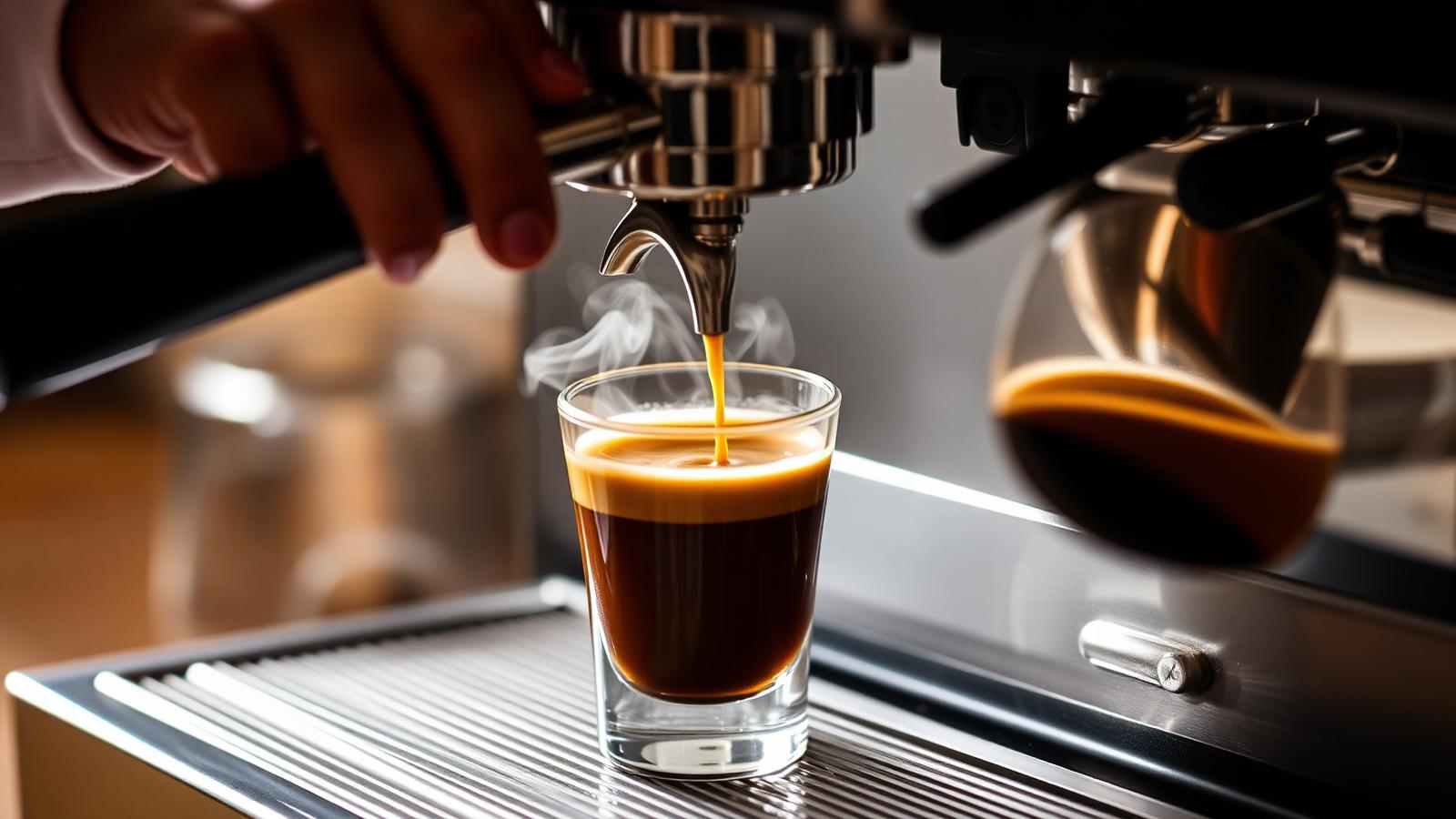
Cafe-quality espresso at home is achievable, but it requires equipment that meets a real standard and a willingness to dial in. Here's the playbook.
The non-negotiable equipment
- A real espresso machine — 9-bar pump, 58mm portafilter on prosumer machines or 54mm on Breville. Realistic entry: Breville Bambino Plus, Gaggia Classic Pro, Lelit Anna. Budget: $400–$1,200.
- An espresso-capable grinder — single-purpose, stepless or fine-stepped, with at least 200+ settings in the espresso range. Eureka Mignon Specialita and DF64 are common starting points.
- A scale that reads in 0.1g and times.
- Fresh beans — espresso roasts hit peak flavor 7–21 days post-roast.
The recipe to start with
- Dose**: 18g in, 36g out (a "1:2 ratio").
- Time**: 25–30 seconds from pump start.
- Temperature**: 200°F (93°C).
- Grind**: fine, like powdered sugar, but adjusted to hit the time target.
Dialing in: the only skill that matters
"Dialing in" means adjusting your grinder so the same dose pulls in the right time.
- Too fast (<22s) and weak**: grind finer.
- Too slow (>32s) and bitter**: grind coarser.
Adjust one click at a time. Pull, taste, adjust. Plan to waste 3–5 shots when you open a new bag.
Milk steaming
- Cold milk, cold pitcher.
- Start with the tip just below the surface to introduce air (the "stretch") — about 3 seconds for a latte, 5 seconds for a cappuccino.
- Lower the tip deeper to create a vortex and texture the milk to about 140°F (60°C). The pitcher should be hot enough that you can barely hold it.
Whole milk is the easiest to texture; oat milks vary widely — Oatly Barista and Califia Barista Blend are reliable.
The variables, ranked
- Grind setting (controls extraction)
- Dose (controls strength)
- Yield (controls strength + extraction)
- Temperature (controls perceived acidity)
- Pressure (controlled by your machine, usually fixed at 9 bar)
Common beginner mistakes
- Skipping the scale and "eyeballing" the shot.
- Pulling old beans (stale beans gush and taste flat).
- Tamping inconsistently — same pressure every time, level puck.
- Not purging the group head before locking in the portafilter.
Maintenance
Backflush with water every day. Backflush with espresso machine cleaner weekly. Descale every 1–3 months depending on water hardness. A well-maintained machine lasts 10+ years; a neglected one starves in 2.
Espresso has the steepest learning curve of any brew method. But once you click in, you'll never go back.