The Science of Coffee Extraction: Why Your Coffee Tastes the Way It Does
A clear, advanced explanation of extraction — what gets pulled from the bean, in what order, and how to manipulate the variables for the cup you want.
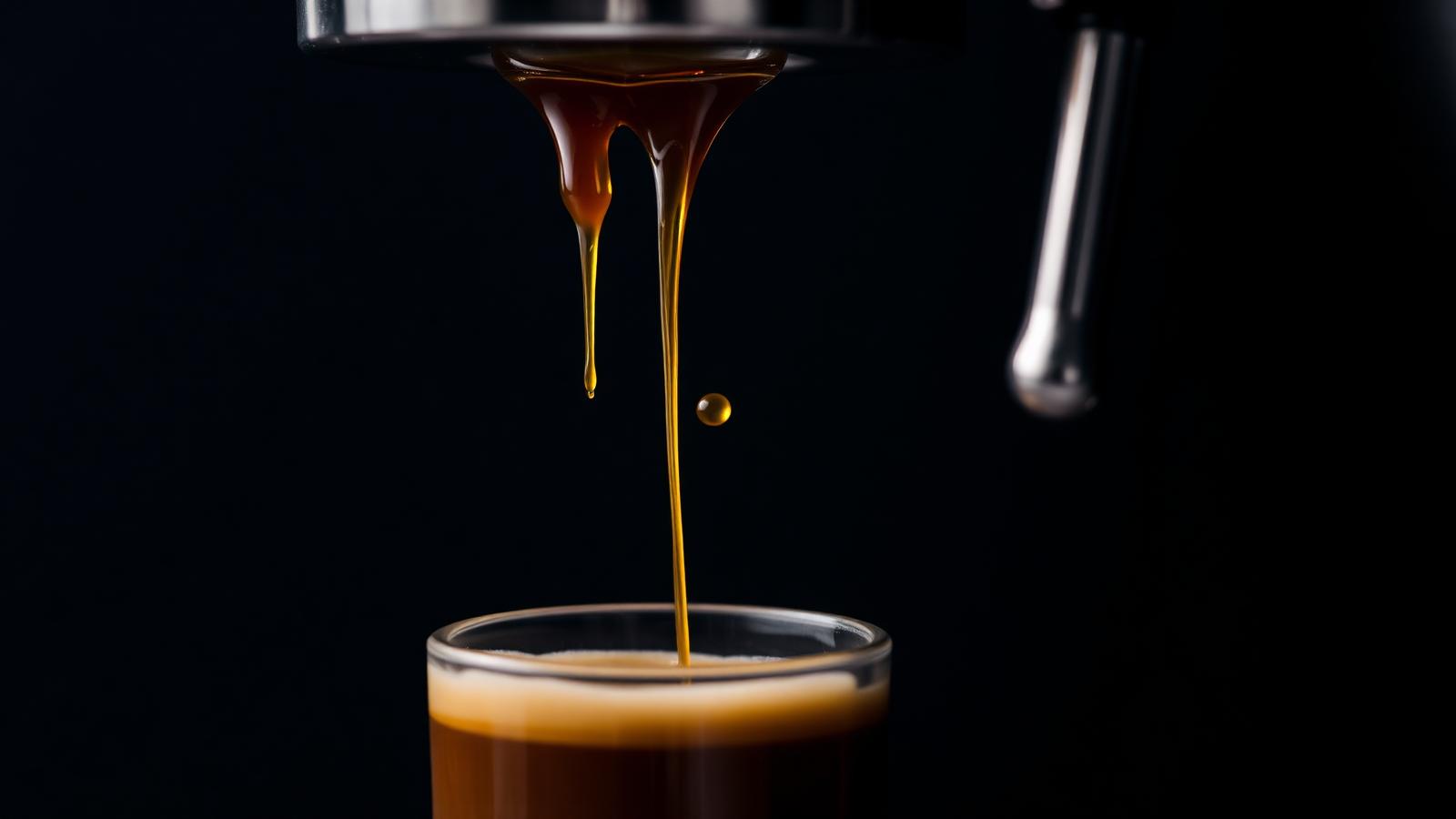
Every great cup of coffee comes down to one thing: how much, and which, soluble compounds you extract from the grounds. Once you understand extraction, dialing in any brewer becomes intuitive.
What you're actually extracting
A roasted coffee bean is about 30% soluble — meaning roughly 30% of its mass can be dissolved in water. The rest is insoluble cellulose. Extraction is the process of getting some portion of those solubles into your cup.
These compounds come out in a predictable order:
- Fruity acids and aromatics (first 20% of extraction) — bright, sour, floral.
- Sugars and balanced sweetness (20–22%) — caramelized, chocolatey, round.
- Bitter compounds (above 22%) — chlorogenic acid lactones, astringency, ashy notes.
The "sweet spot" most professionals target is 18–22% extraction. Below 18%, the cup is sour and underdeveloped. Above 22%, bitterness dominates.
Strength vs extraction
Two separate concepts that beginners conflate:
- Extraction = what percentage of soluble material made it from the grounds into the water. Adjust with grind, time, temperature, and turbulence.
- Strength (TDS) = how much dissolved material is in each milliliter of brewed coffee. Adjust with your ratio (more coffee = stronger).
You can have weak coffee that's still over-extracted (bitter water), or strong coffee that's under-extracted (intense sour). They are independent dials.
The five variables you control
- Grind size — finer grind = more surface area = faster, fuller extraction.
- Water temperature — hotter water extracts faster. 195–205°F (90–96°C) is the standard window.
- Contact time — longer brew = more extraction.
- Agitation/turbulence — stirring or aggressive pouring speeds extraction.
- Ratio — affects strength more than extraction, but both at the margins.
Diagnosing a bad cup
- Sour, thin, sharp → under-extracted. Grind finer, brew longer, or use hotter water.
- Bitter, hollow, astringent → over-extracted. Grind coarser, brew shorter, or use cooler water.
- Weak but balanced → under-dosed. Use more coffee.
- Heavy but flat → over-dosed without enough water. Adjust ratio.
The role of water chemistry
Soft water extracts poorly. Very hard water tastes mineral and dull. The SCA's water standard targets 150ppm total dissolved solids with a specific magnesium-calcium balance. For most home brewers, filtered tap water in the 100–200 ppm range is plenty.
Practical takeaway
You don't need a refractometer to brew well. But you do need a mental model. Every adjustment you make — grind, time, temperature, ratio — moves you along the extraction curve. Once you can predict which direction it moves, you're no longer guessing.