Single-Origin vs Blend Coffee: What's the Difference (and Which Is Better)?
A clear explanation of single-origin and blended coffees — what each term actually means, how they taste, and when to choose one over the other.
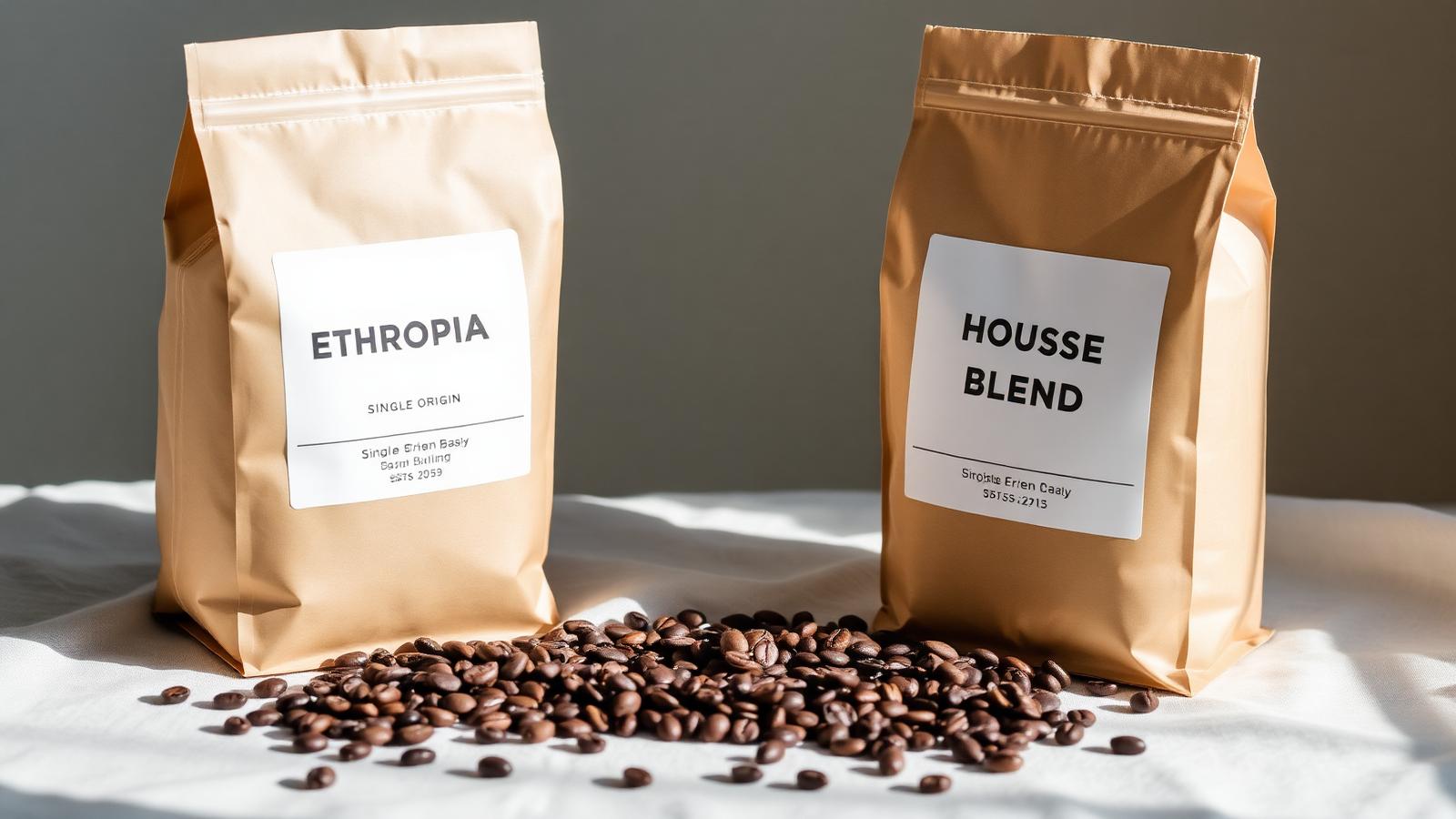
Walk down any specialty coffee aisle and you'll see two labels: single-origin and blend. The names sound simple, but they describe very different products with very different purposes.
What "single-origin" actually means
The term has gotten loose over the years. At its strictest, a single-origin coffee comes from one farm or even one specific lot on one farm, processed and harvested together. More commonly, it just means one country or one region.
You'll see labels like:
- Single farm / single estate — most specific.
- Single co-op — beans from several small farms pooled together.
- Single region — looser; can span dozens of farms.
- Single country — loosest, but still meaningful.
The point is traceability. A good single-origin lets you taste a place: Ethiopian Yirgacheffe's blueberry-and-tea profile is different from a Colombian Huila's chocolate-and-caramel one.
What a blend actually is
A blend mixes beans from multiple origins, often roasted separately, then combined to hit a target flavor profile. Blends serve three goals:
- Consistency — the roaster can deliver the same taste year-round even as harvests vary.
- Balance — pairing complementary origins (bright African + heavy Brazilian) produces fuller-bodied cups.
- Affordability — including lower-cost beans alongside premium ones.
Most espresso is blended for exactly these reasons. Most pour-over coffee is single-origin for the opposite reason: to highlight a specific terroir.
How they taste
- Single-origin tends to be more articulate: bright, distinct, sometimes "weird" in a good way. You can pick out specific notes.
- Blends tend to be rounder and more balanced: chocolate, nuts, caramel, low acidity. Easier to drink black, easier to brew, more forgiving with milk.
Neither is "better." A great single-origin is electric. A great blend is comforting. Bad versions of each are equally disappointing.
When to buy single-origin
- You want to explore and taste different regions.
- You're brewing pour-over or AeroPress where clarity shines.
- You drink coffee black.
When to buy a blend
- You make milk-based espresso drinks daily.
- You want consistency across multiple bags.
- You're sharing a brewer with people who have different taste preferences.
A quick buying tip
For single-origin, look for the harvest year, the farm or region, the varietal, and the processing method on the bag. The more information, the more seriously the roaster takes their sourcing.
For blends, look for the component origins listed (some roasters hide them) and a clear flavor description. Avoid bags with no roast date — that's the universal red flag.