A Coffee Lovers Tour of the World: Beans, Origins, and What Makes Each One Special
Ethiopian Yirgacheffe tastes like jasmine and lemon. Sumatran Mandheling tastes like dark chocolate and cedar. Why? Because where coffee is grown shapes everything about it. This is your tour of the worlds most famous coffee beans and the places that make them.
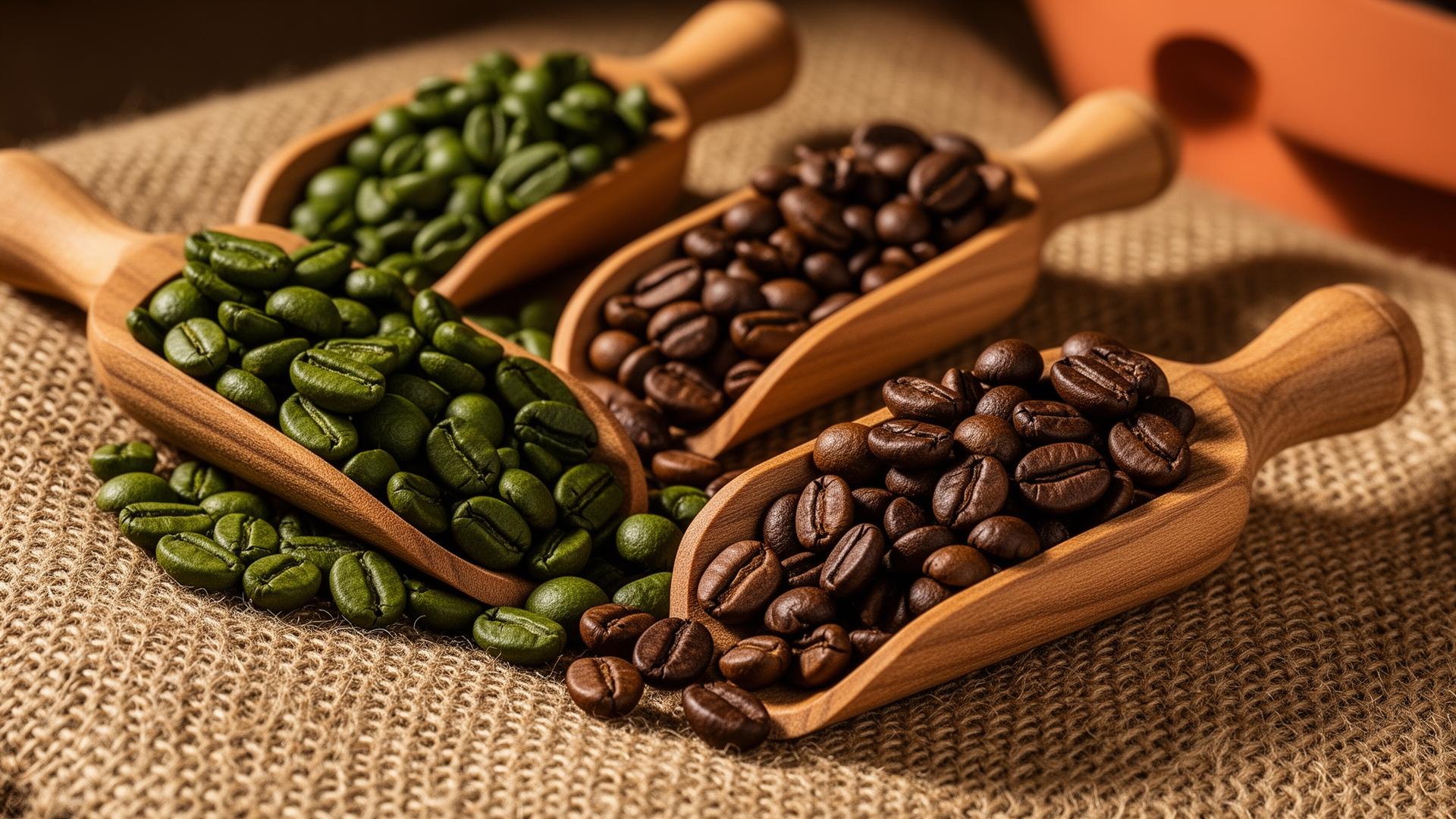
Most people drink coffee for years before realizing that the difference between a brilliant cup and a forgettable one usually starts long before the grinder — it starts in the soil, the altitude, the rainfall, and the variety of the coffee tree itself. Coffee is an agricultural product as expressive as wine, and learning to recognize origins is one of the great joys of drinking it seriously.
This article is a tour: the two species you drink, the most celebrated growing regions, and the famous beans worth seeking out at least once.
Arabica vs Robusta: The Two Species That Matter
Of the 100+ species of coffee plant, only two are commercially important.
Coffea Arabica
- Grown at altitude (1,000–2,200 m)
- Lower caffeine (~1.5%)
- More acidity, more aromatic complexity
- More sensitive to climate and pests
- Around 60–70% of world production
This is the species behind every specialty coffee you have ever loved. When a roaster lists tasting notes like "blueberry, jasmine, milk chocolate" they are almost always talking about Arabica.
Coffea Canephora (Robusta)
- Grown at lower elevations
- Roughly twice the caffeine of Arabica
- More bitter, earthier, woodier
- Hardier and cheaper to grow
- Heavy in instant coffee and many Italian espresso blends (where it adds crema and body)
Robusta has a bad reputation, but high-grade Robusta from India or Uganda used thoughtfully in an espresso blend can add depth that pure Arabica cannot.
Why Origin Matters: Terroir for Coffee
Three things create the flavor fingerprint of a coffee origin:
- Altitude. Higher altitude = slower cherry maturation = denser beans with more acidity and clarity.
- Soil and climate. Volcanic soil (Guatemala, Indonesia) tends to produce richer, more mineral cups. Cooler highland climates produce brighter, fruitier coffees.
- Processing method. How the cherry is removed from the bean — washed, natural (dried with fruit on), or honey — dramatically changes the cup.
Once you know what to look for, you can almost guess the origin of a coffee blind.
The Great Coffee Regions
Ethiopia — The Birthplace
Coffee was discovered in Ethiopia, and the country still produces some of the most distinctive cups in the world. Ethiopian heirloom varieties grow wild in the highlands and produce coffees that taste, frankly, unlike anything else.
- Yirgacheffe (washed): jasmine, bergamot, lemon, tea-like body
- Sidamo / Sidama (natural): blueberry, strawberry, wine
- Guji: stone fruit, floral, syrupy
If you have never had a great Ethiopian natural-processed coffee, you have not yet experienced how fruity coffee can be.
Colombia — The Reliable Classic
Colombian coffee is the workhorse of specialty roasting: balanced, sweet, clean, dependable.
- Huila: caramel, red apple, milk chocolate
- Nariño: higher altitude, brighter, more citric
- Tolima: chocolate, brown sugar, soft acidity
Colombian beans are an excellent starting point for anyone learning to taste origin differences.
Kenya — Bright and Bold
Kenyan coffee is famous for one thing above all: acidity that pops like a fresh berry. The country runs the AA / AB grading system based on screen size, and Kenya AA is one of the most sought-after grades on the planet.
- Blackcurrant, tomato, grapefruit, intense sweetness
- High-altitude, washed, often double-fermented
Guatemala — Volcanic Depth
Volcanic soil and high-altitude microclimates produce coffees with a particular cocoa-and-spice depth.
- Antigua: dark chocolate, smoke, full body
- Huehuetenango: brighter, with cherry and citrus notes
Brazil — The Backbone of Espresso
Brazil produces more coffee than any other country. Brazilian beans tend toward chocolate, nuts, and low acidity, making them the perfect base for espresso blends.
- Cerrado: peanut, milk chocolate, smooth
- Yellow Bourbon naturals: butterscotch, dried fruit
Indonesia — Earthy and Unique
Indonesian coffees, especially those processed by the traditional wet-hulling method (giling basah), are heavy, earthy, and savory in a way no other origin manages.
- Sumatra Mandheling: cedar, dark chocolate, mushroom
- Sulawesi Toraja: spice, dark fruit, full body
- Java: classic, slightly nutty, rounded
Costa Rica, Panama, Honduras — Central American Brilliance
Clean, sweet, balanced coffees with bright acidity and clear flavors. Panama in particular has become world-famous for one bean in particular — see below.
Famous Varieties Worth Knowing
Within Arabica, varieties (cultivars) further shape flavor.
Typica and Bourbon
The two ancestral varieties of most cultivated Arabica. Sweet, clean, classic — the gold standard for balance.
Geisha (Gesha)
Originally from Ethiopia, made famous by Hacienda La Esmeralda in Panama. Geisha is the most expensive coffee variety on the planet. Floral, tea-like, with intense jasmine and bergamot — a great Geisha tastes more like perfume than coffee. A single pound of competition-grade Panamanian Geisha has sold for over $10,000.
SL-28 and SL-34
The Kenyan varieties responsible for that famous blackcurrant Kenya acidity.
Pacamara
A large-bean hybrid from El Salvador. Big, juicy, often with stone fruit and chocolate.
Caturra and Catuai
Productive Bourbon mutations widely grown in Latin America. Reliable, sweet, easy to love.
Honorable Mentions: Specialty Origins
- Yemen Mocha: one of the oldest coffee origins, intense, wild, fruity, and rare
- Jamaica Blue Mountain: legendary, mild, smooth, and very expensive (often counterfeited)
- Hawaiian Kona: smooth, nutty, low-acid, from volcanic Hawaiian soil
- Vietnam: mostly Robusta — the base of strong, sweet Vietnamese iced coffee
How to Use This Knowledge
Next time you buy beans, look for three pieces of information on the bag: country, region, and process method. "Ethiopia Yirgacheffe, washed" tells you almost everything you need to know about how that coffee will taste.
Try this exercise: buy three single-origin coffees from three different continents — a Kenyan, a Guatemalan, and a Sumatran — and brew each one the same way for a week. By the end you will taste origin differences instantly, and your relationship with coffee will never be the same.